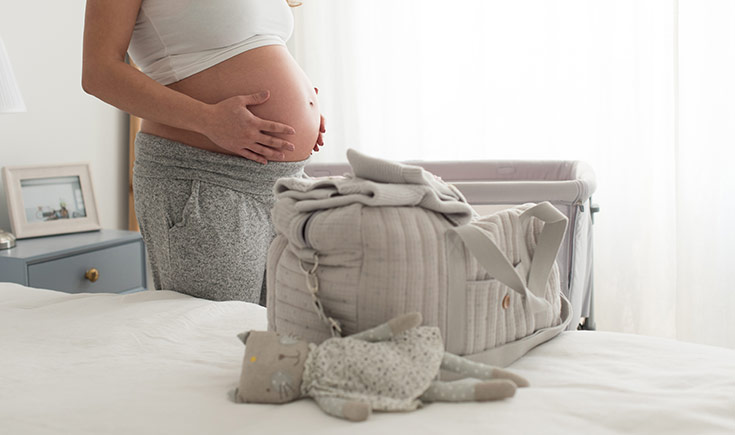
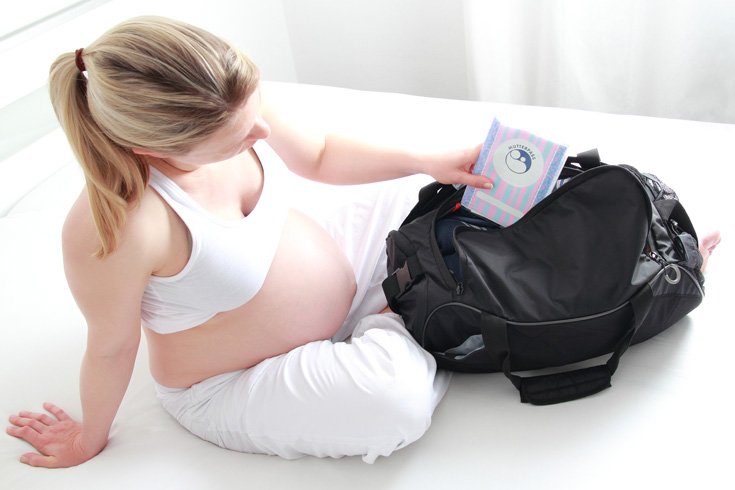
There’s no shortage of lengthy lists to guide you on what to bring to the hospital. For most mums, a few Google searches will leave them with pretty good idea of what constitutes a well-stocked hospital bag. But what about if you’re scheduled in for a C-Section?
While the essentials are the same, the experience is going to be a little different to what would take place during a vaginal birth – so you’ll need to pack accordingly.
Here are our top C-section Hospital Bag Essentials:
- Things to do – Because a cesarean is major surgery, you’ll be required to present at hospital several hours earlier. So you’ll want to pack a few things to keep you occupied. Perhaps some magazines, your favourite book or someone wonderful to talk to!
- Phone/charger – you’ll want your phone for photos of course, and for contacting friends and family once baby is born. But you might find you end up using it quite a bit while you’re waiting for surgery, so be sure to remember your charger. You’ll never forgive yourself if you pick up your phone to take a newborn snap and your phone is flat!
- Glasses – You won’t be able to wear your contacts during surgery, so if you want to be able to see clearly, don’t forget to pack those glasses.
- Nighties with buttons – After surgery you’ll have a significant wound and you won’t want anything rubbing against it. So leave the fancy P.J’s behind and stick to loose nighties, preferably with some top buttons for easy breastfeeding. Alternatively you could purchase some oversized pajama pants that come up over the wound.
- High Waisted undies – Once again, with a fresh wound, you won’t want undies rubbing right on it, so large, granny undies it must be! They’ll be super comfy, and will reach over your wound. Make sure you bring plenty as you’ll be experiencing bleeding as well.
- Maternity Pads – Lots of them! Just because you are not having a vaginal birth doesn’t mean you won’t bleed. Disposable incontinence underwear are also a good tip – not attractive but you can just tear down the side of the pants to remove – a lot easier in the first day or two when it’s hard to bend down to pull on undies.
- Peppermint tea – After birth, many women experience severe bloating and gas which can be very uncomfortable. Pack some peppermint tea to help relieve the symptoms.
- Face wipes – After a C-Section you won’t want to be getting in and out of bed, so a couple of packs of face wipes will allow you to keep your face feeling fresh and your hands clean, without having to get out of your already comfy position.
- Dry shampoo and brush – Keep some dry shampoo and a hair brush handy so you can keep yourself feeling semi-human whilst stuck in bed. You may not be up for washing your hair, but that doesn’t mean you have to tolerate the oil slick.
- Make up bag and hand mirror – Keep a mirror nearby, so you can quickly spruce yourself up when unexpected visits announce their impending arrival, or you simply want to freshen up. You don’t want to be jumping in and out of bed, just to put a face on.
- Extra pillows – Things can get a little uncomfortable following a C-Section, so pack some extra pillows to allow yourself to pop yourself into a position that makes things feel a bit better. Your own pillow and a breastfeeding pillow will make life a lot more comfortable and even if you don’t breast feed its a back saver!
- Snacks – Let’s face it, eating is one of the best things to do while you’re cooped up in hospital, but following surgery, you won’t be wanting to walk down to the cafe every five minutes, nor will you want to wait for something else. So have a stash of your favourites within arm’s reach!
- Newborn nappies – bring nappies for Bub just in case your hospital doesn’t supply them
- Breast pads and breast pump – for when your breast milk comes in. In some cases it can take up to a few days. Hand expressing the valuable colostrum can help or you may also want to start expressing to encourage your milk supply by using a hospital grade breast pump.
- Micellaneous but important things to remember – thongs or slippers – comfy shoes , soap-free soap so not to irritate your scar, deodorant, tooth brush, tooth paste, spare bags to put random things in like the birth record book , the hospital papers and gifts brought for you and Bub.
- Comfortable outfit to go home in – lounge pants, oversized t-shirt and long cardigan.