It’s All About … Baby Food

One of the most important components in the growth and development of your baby is baby food. In the beginning, the question of what to feed your baby is very simple – either breast milk or formula. As any professional will tell you, the best form of baby milk is mother’s milk, but if for any reason this is not possible, baby formula is available for nourishing your baby.

But as your baby gets older, they will start to need solid food. And that is when the fun starts. The questions that you are most likely to ask are:

  • When do we start giving a baby solids?
  • Which baby foods do we start with?
  • What is better – baby food jars or homemade baby food?

Let’s look at each of these issues and see how to give your baby a healthy start to real food.

When Do We Start With Solid Baby Foods?


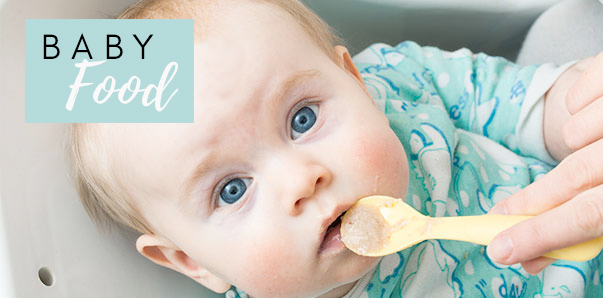
Baby Food

It’s All About … Baby Food - bfhoyt / CC BY 2.0

As a baby is born with an open gut, it is vitally important to only provide a baby with solid foods when they are old enough to digest them. Forcing a baby to eat solids too early can affect their digestion, cause stomach problems, and even lead to allergies.

As we know, each baby has their own personal rate of development, and some may become ready earlier than others. These days, most medical authorities believe that the very earliest that an infant should receive solid baby food is four months. However, many health professionals will advise you to wait until six months. As this is all very individual, when you want to start giving your baby solids you should ask your healthcare professional first if they think that your baby is ready. At any rate, you don’t start the process of complete baby weaning until the infant is on a full diet of solids.

Signs that your baby may be ready for solids include: never being satisfied anymore with formula or breast milk but always wanting more, starting to wake up in the night again for extra feeds after having gotten used to sleeping through the night, showing an interest in the food on your plate, opening their mouth when offered a spoon, and the ability to sit upright when supported.

Which Baby Foods to Start With

Now that you think your baby is ready for solids, you still won’t be giving them their first Big Mac for quite a while!

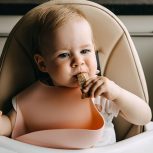
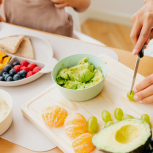
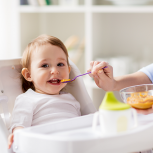
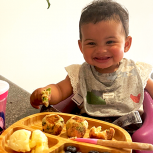
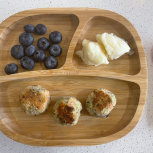
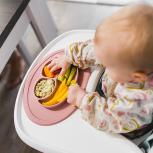
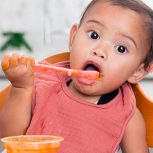
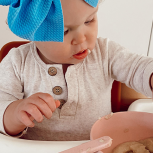
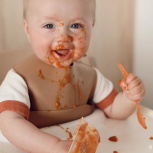
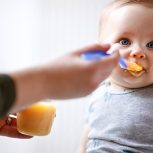
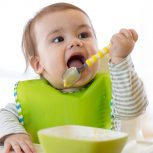
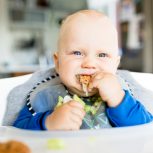
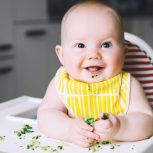
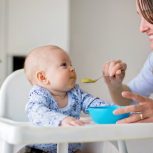
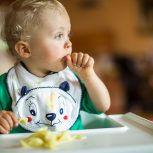
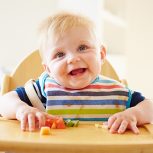
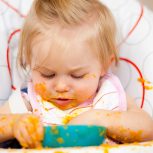
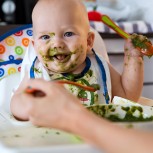
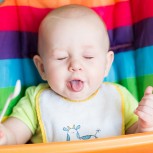
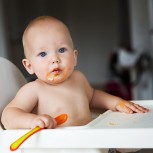
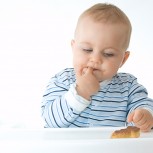
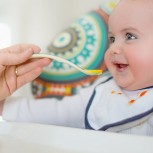
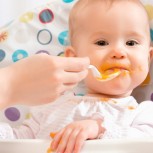
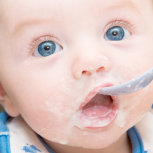
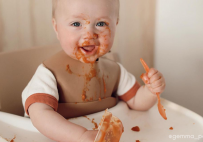
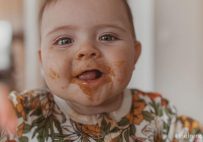
You must start off simple, introducing each food one by one. First foods are usually “finger foods.” Baby food should never become an issue. Let your baby enjoy their first experiences of solids. Although you will be spooning the food into their mouth at first, let the baby paddle their fingers into what’s on the plate. Eventually the baby will become brave enough to take the spoon from you and try to eat independently. Don’t be afraid of the mess. This is all part of the process of learning to eat like a grownup as opposed to a dependent baby. Just have plenty of bibs lying around and change the baby’s clothes after a meal!

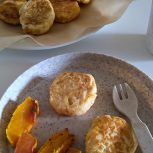
First foods include:

  • mashed bananas
  • pureed boiled carrots
  • mashed avocado
  • apple puree

Once your baby is enjoying these, you can move on to:

  • Pieces of chicken. Chicken soup, made with carrots and a little bit of mashed potato is especially good.
  • Small pieces of beef – but cut up well, soft, and easy to digest.
  • As your baby gets older, try mashed legumes, couscous, mashed and deseeded citrus fruits.

Remember not to introduce the following to a baby until over the age of a year, as these are either dangerous to a baby or possible allergens if introduced too young:

  • Honey
  • Strawberries
  • Cows milk products
  • Peanuts

Wholesome Baby Food – Jarred or Homemade?

One of the biggest questions is which is best? Homemade baby food, or factory made baby food jars?

If you have the time, the most healthy baby food is homemade. This way, you can control what your baby eats, and they will also get used to your cooking as opposed to factory food. You can introduce your own organic baby food if you want, keep it allergy free if you need, and keep out preservatives, sugars, or anything else you don’t want. By doing this, you are also saving money as baby food prices are quite high. So if you buy your own baby food processor, you will be well away.

For some baby food recipes, click here.

For some mothers, this may not work too well. For example, if you have a full-time job and other children, you may not have time to cook individual food and keep washing up the baby food processor all the time. Or maybe you have to fly abroad somewhere, and you don’t have the time or the resources to make your own baby food.

In these situations, you can always buy baby food. There is a whole range on the market, and you are sure to find something that suits you.

For a further discussion of this issue, click here.

As a responsible parent, you will definitely do whatever you can to provide the best possible baby diet, so that they will grow into a healthy child. Good baby nutrition is the foundation of a healthy life.